
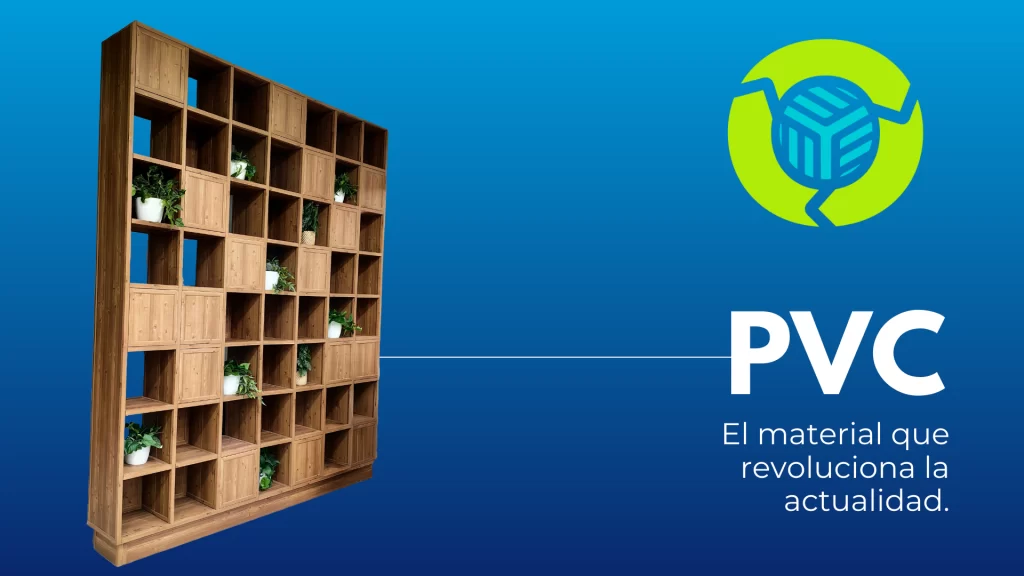
When we talk about modern materials, one of the most frequently asked questions is what PVC is and why it has become so important in various industrial sectors.
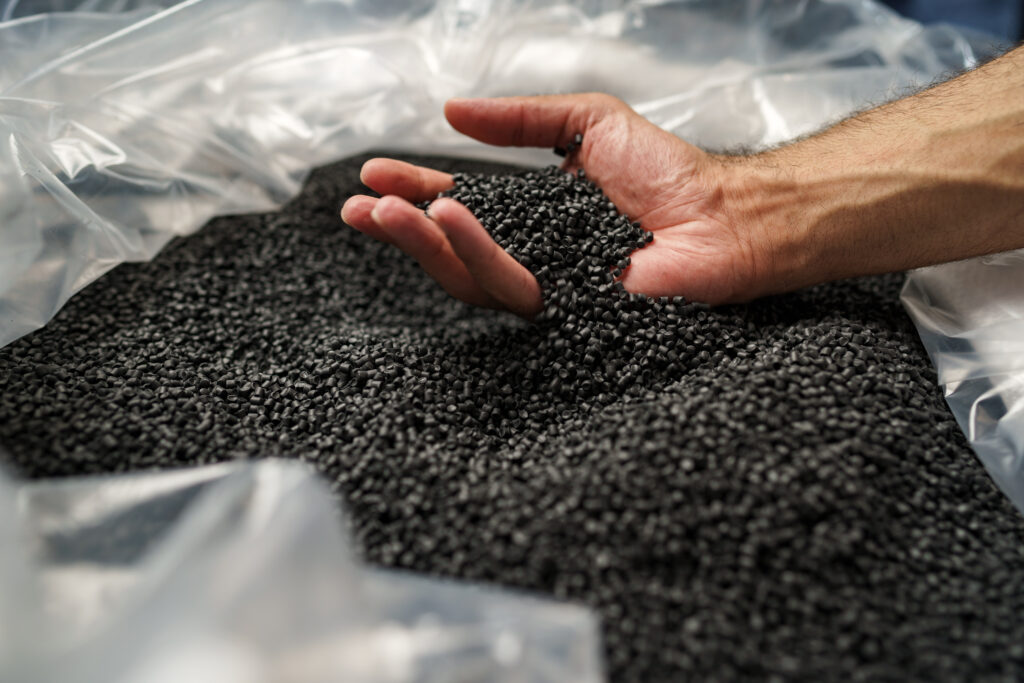
PVC stands for polyvinyl chloride, a plastic polymer derived from vinyl chloride. It is a synthetic material that belongs to the thermoplastic family, which means it can be shaped using heat without losing its key properties.
Understanding what PVC is means realizing that it is not just an ordinary plastic, but a material designed to offer strength, stability, and adaptability in a wide range of manufacturing processes. Thanks to its chemical composition, it can be rigid or flexible depending on the additives used during production.
To better understand what PVC is, it is important to understand its structure. This material is composed mainly of salt (sodium chloride) and petroleum derivatives. This combination gives it technical properties that make it highly functional.
Its key features include:
PVC does not rust, is not susceptible to pests, and does not require constant maintenance to remain in good condition. These qualities explain why its use has expanded across various industries.
To truly understand what PVC is and its impact on the industry, it is also important to compare it with traditional materials such as wood, metal, or plaster.
Wood has historically been one of the most widely used materials in construction and interior design. However, it requires constant maintenance, can warp due to moisture, and is susceptible to pests.
PVC, on the other hand:
While wood offers a natural look, PVC provides similar finishes with greater durability and lower maintenance.
Metal is durable, but it can rust and requires protection against corrosion, especially in humid environments.
PVC:
In applications where weight and moisture resistance are key factors, PVC offers a more practical solution.
Materials like plaster may be inexpensive, but they tend to be more fragile when exposed to impact and moisture.
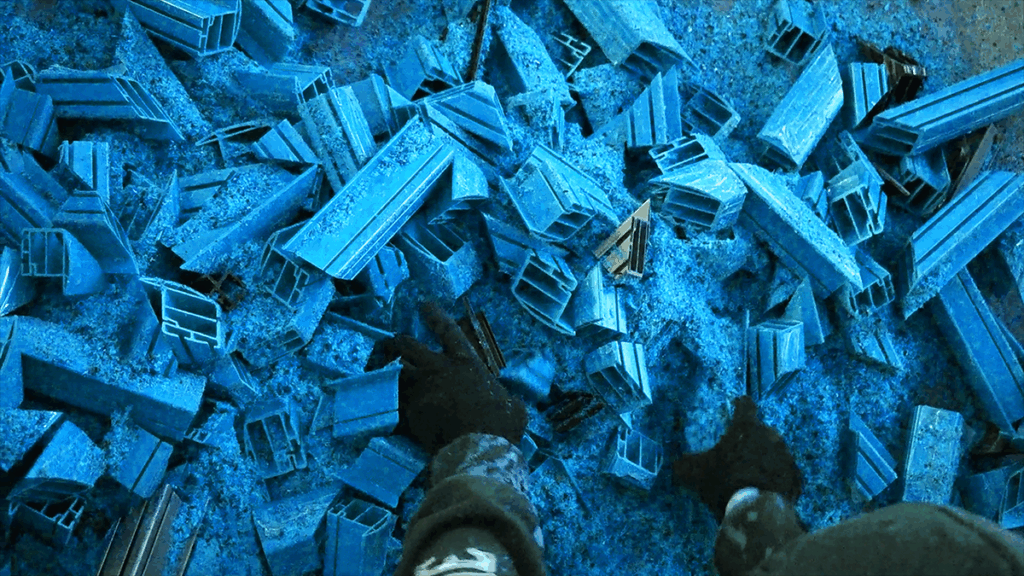
PVC profiles and other PVC products offer:
By analyzing these differences, we can better understand what PVC is and why it has gained ground over traditional options. It is not just a matter of replacing materials, but of moving toward solutions that are more efficient, durable, and adaptable to new market demands.
Now that we understand what PVC is, it’s easier to see why it has such a wide range of applications.
PVC applications span sectors such as:
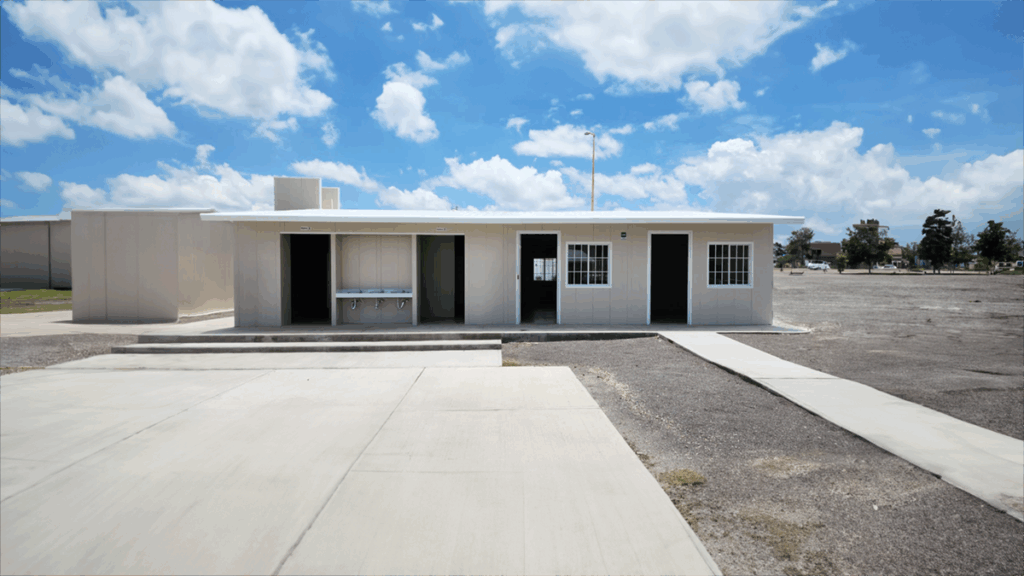
In the construction industry, PVC is used to manufacture structural profiles, cladding, and modular solutions. In interior design, PVC is used to create decorative panels, furniture, and low-maintenance functional elements.
The growing use of PVC has led to the development of specialized systems designed to meet specific market needs.
In this context, POLYSHEL develops PVC-based solutions focused on three major systems:
Thanks to the versatility of PVC, these systems combine design, durability, and efficiency in a single material.


Mexico
atencionaclientes@polyshel.com.mx
+52 427 149 2572
+52 427 226 6654
ventas@polyshel.com.mx
+52 1 55 4601 4406
USA
avalenzuela@kovam.com.ar
+1 954 608 1149
Mexico
2 Fulton Ave., Valle de Qro. neighborhood
ZIP Code 76803
San Juan del Río, Querétaro
USA
4845 E 10th Ct, Hialeah, FL 33013
POLYSHEL | Privacy Notice
© 2026 Polyshel. All rights reserved