
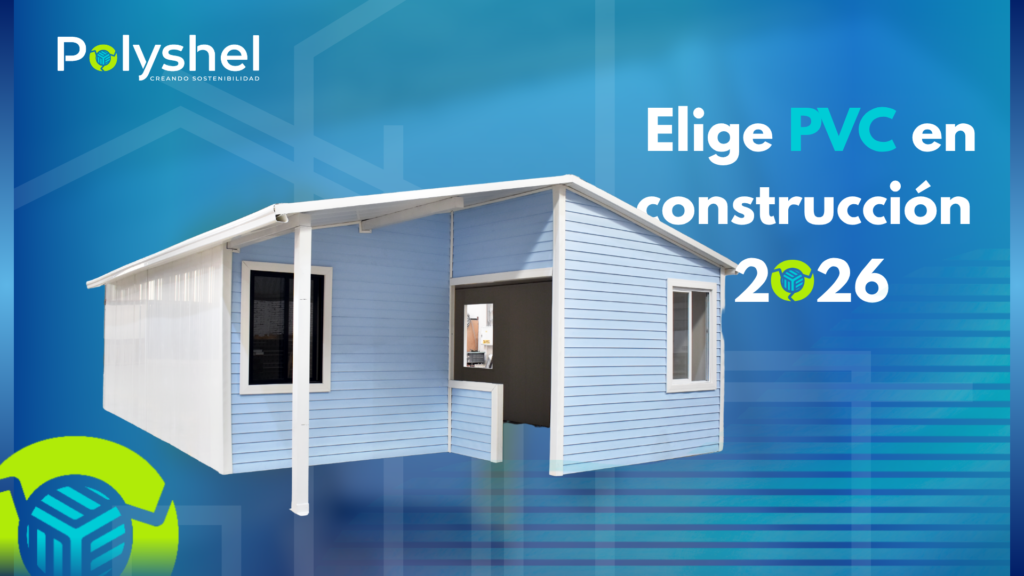
The construction industry is undergoing a major transformation. Today, construction is no longer just about erecting structures; it is about creating smart, efficient spaces that meet new market demands.
By 2026, factors such as sustainability, cost optimization, speed of installation, and aesthetic design have become fundamental pillars. In this context, PVC for construction and finishes emerges as one of the most important materials, positioning itself as a comprehensive solution for modern projects.
More than just a trend, PVC represents an evolution in the way we conceive of spaces.
The 2026 construction trends are shaped by the need for materials that meet multiple challenges: strength, aesthetics, sustainability, and efficiency.
PVC stands out because it combines all these attributes into a single material. Unlike traditional options, it offers competitive advantages that directly impact project performance.
Among its main benefits are:
This makes it a strategic solution for developers, architects, designers, and companies looking to maximize results without compromising quality.
Innovation innovation in building materials has driven a new generation of more efficient, lightweight, and adaptable solutions.
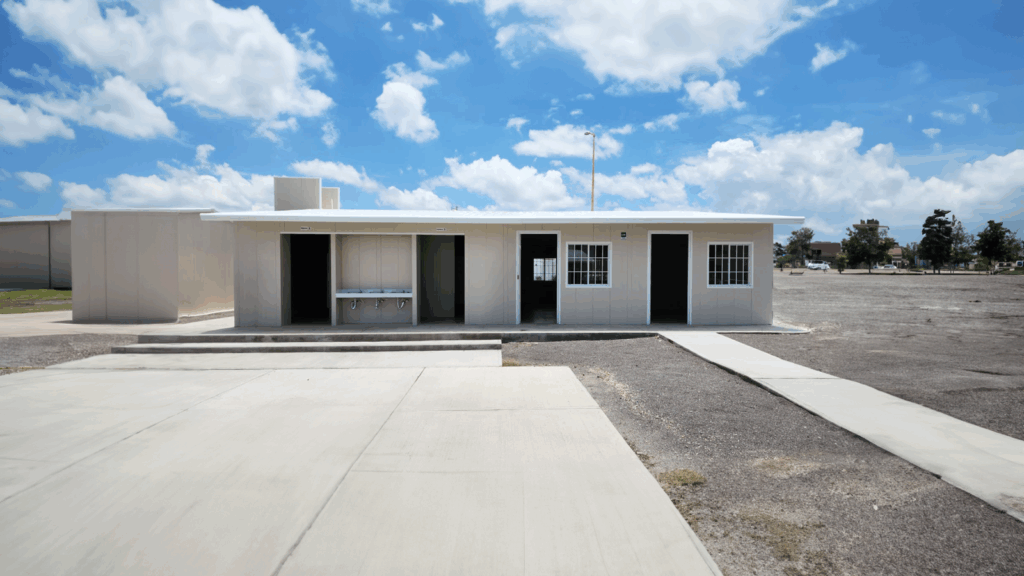
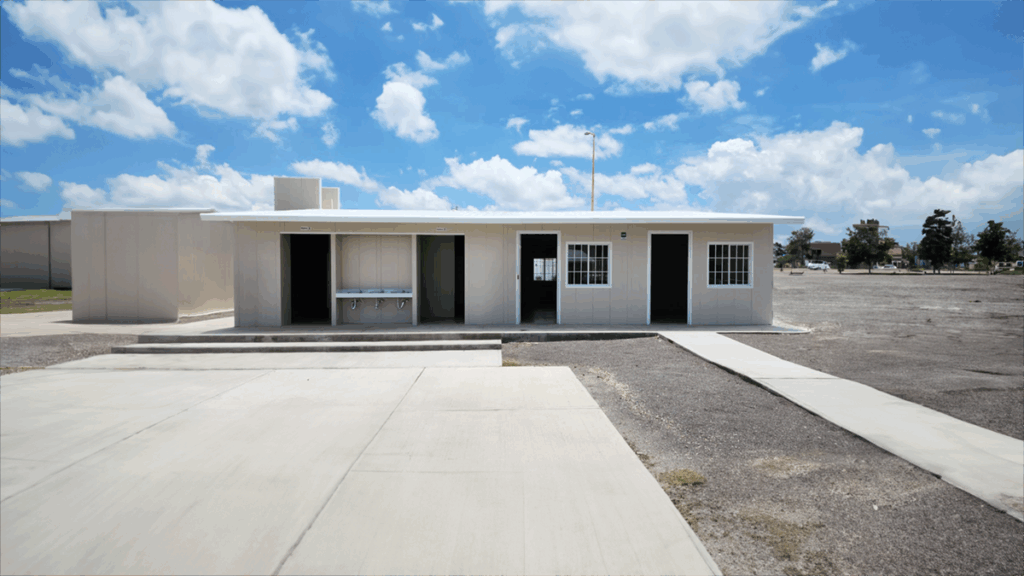
In this context, the PVC profiles have evolved significantly, allowing them to be used in an ever-wider range of applications. Today, they not only serve a decorative purpose but are also part of functional systems that improve organization, display, and space utilization, as well as the design of spaces such as homes, schools, hospitals, and more.
Furthermore, its adaptability makes it a key tool for projects that require customization without driving up costs.
Sustainability sustainability is no longer a value-added feature; it is a market requirement.
PVC is positioned as a responsible alternative thanks to key characteristics such as:
Compared to other traditional materials, PVC makes it possible to develop more efficient projects with a lower environmental impact.
This makes it a choice that resonates with the new generations of consumers and businesses that prioritize environmental responsibility.
One of the most important factors in today's construction industry is resource optimization. PVC stands out not only for its design but also for its positive impact on operations.
Thanks to its ease of installation, it reduces construction time, which translates into lower labor costs and faster project completion.
In addition, its durability reduces maintenance and replacement costs, leading to savings in the medium and long term.
This makes it a highly cost-effective solution for projects
One of the most important factors in today's construction industry is resource optimization. PVC stands out not only for its design but also for its positive impact on operations.
Thanks to its ease of installation, it reduces construction time, which translates into lower labor costs and faster project completion.
In addition, its durability reduces maintenance and replacement costs, leading to savings in the medium and long term.
This makes it a highly cost-effective solution for projects.

Mexico
atencionaclientes@polyshel.com.mx
+52 427 149 2572
+52 427 226 6654
ventas@polyshel.com.mx
+52 1 55 4601 4406
USA
avalenzuela@kovam.com.ar
+1 954 608 1149
Mexico
2 Fulton Ave., Valle de Qro. neighborhood
ZIP Code 76803
San Juan del Río, Querétaro
USA
4845 E 10th Ct, Hialeah, FL 33013
POLYSHEL | Privacy Notice
© 2026 Polyshel. All rights reserved